Dealing with indoor pests while keeping your pets safe is a balancing act that frustrates plenty of homeowners. You can’t just spray chemicals everywhere when Fido sleeps on the rug or Whiskers rubs against the baseboards. The good news? You don’t have to choose between a pest-free home and your furry family members. Modern pet-safe pest control combines smart prevention, natural solutions, and targeted treatments that work without endangering the creatures you actually want around. Whether you’re battling ants, roaches, spiders, or rodents, there are proven methods that get results while keeping your pets healthy and happy.
Table of Contents
ToggleKey Takeaways
- Indoor pest control safe for pets prioritizes prevention and natural solutions over toxic chemicals that linger on surfaces and harm animals’ nervous systems.
- Food-grade diatomaceous earth, essential oils (used carefully), and physical barriers like sealed cracks and sticky traps eliminate pests without exposing your pets to harmful residues.
- Professional pest control companies offering pet-safe treatments—including heat treatment for bed bugs and insect growth regulators—provide effective alternatives when DIY methods fall short.
- Simple prevention strategies like sealing entry points, removing food sources, and controlling moisture stop most pest infestations before they start, eliminating the need for chemical treatments.
- When hiring a professional pest control service, always disclose your pets’ type, size, and health sensitivities so they can adjust their approach and keep your animals safe during and after treatment.
Why Pet Safety Matters in Pest Control
When you spray conventional pesticides, the toxins don’t just disappear after killing the bugs. They linger on surfaces, in dust, and in the air, places where pets explore with their noses and paws. Dogs and cats groom themselves constantly, ingesting whatever residues land on their fur and skin. Even small exposures to certain chemicals can cause neurological damage, organ toxicity, or acute poisoning.
Standard pesticides often contain pyrethroids, neonicotinoids, or organophosphates, compounds that devastate a pet’s nervous system far more easily than a human’s. Your 10-pound dog absorbs toxins much faster than you do, and their liver and kidneys process them differently. Cats are even more sensitive: they lack certain liver enzymes, making them extremely vulnerable to many common pest treatments.
Beyond direct poisoning, certain conventional products trigger allergic reactions, respiratory distress, or skin irritation in pets. The smart approach isn’t to skip pest control entirely, it’s to choose methods that eliminate the problem without compromising your pet’s health. Pet-safe solutions work because they target pest biology while avoiding toxins that harm mammals.
Natural and Non-Toxic Pest Control Solutions
Essential Oils and Plant-Based Repellents
Essential oils like peppermint, lavender, and eucalyptus do repel certain pests, especially ants, spiders, and some insects, but context matters. A diffused essential oil in one room is generally safer than a concentrated spray coating all surfaces. Peppermint oil dabbed on cotton balls and placed near entry points deters rodents without the toxicity of snap traps or rodenticides.
But, don’t assume all plant-based products are automatically pet-safe. Undiluted essential oils can irritate a dog’s or cat’s respiratory system, and some pets are sensitive to specific oils. Always research before using: tea tree oil and citrus oils, for example, can cause issues in some animals. The safer approach is using commercially formulated botanical sprays designed with pet safety in mind, they’re pre-diluted and tested.
Diatomaceous Earth and Food-Grade Options
Food-grade diatomaceous earth (DE) is a game-changer for many indoor pests. It’s a powdered fossil that kills insects by dehydrating their exoskeletons, a mechanical process, not chemical. You can safely sprinkle food-grade DE in cabinets, along baseboards, under appliances, and in carpets where fleas hide. Pets walking across it won’t suffer harm because their skin and fur aren’t designed like insect exoskeletons.
The critical word is food-grade. Pool-grade DE is processed differently and can damage lungs if inhaled: never use it indoors. With food-grade DE, ventilate the area well while applying, and avoid concentrating powder where pets breathe directly. Once settled, it’s safe. DE works best on pests like fleas, bed bugs, cockroaches, and ant colonies. Some sources recommend how to get rid of fleas using this method alongside other approaches for best results.
Physical Barriers and Prevention Strategies
The easiest pest control is prevention. Seal cracks around baseboards, pipes, and windows with caulk, a simple one-day project that stops ants, roaches, and rodents from entering. Inspect exterior doors: add weather stripping to eliminate gaps.
Inside the home, remove pest attractions. Don’t leave pet food sitting out: store kibble in airtight containers. Sweep crumbs immediately, especially after meals. Keep trash in sealed bins, and don’t let garbage pile up, cockroaches and rodents smell food from far away. Declutter closets, corners, and storage areas where pests hide and breed.
For specific pests, deploy targeted physical solutions. Snap traps or live traps catch rodents without toxins. Sticky traps placed along walls help monitor and reduce roach and insect populations. Mosquito screens keep flying insects out. These methods require no chemicals your pet might ingest or inhale, and they give you visible proof the method works.
Keep moisture under control. Standing water and damp areas attract roaches, ants, and other insects. Fix dripping pipes, ensure bathroom exhaust fans vent outside, and use a dehumidifier in basements or crawl spaces. A dry home is less appealing to pests, period.
Pet-Friendly Professional Solutions and When to Call Experts
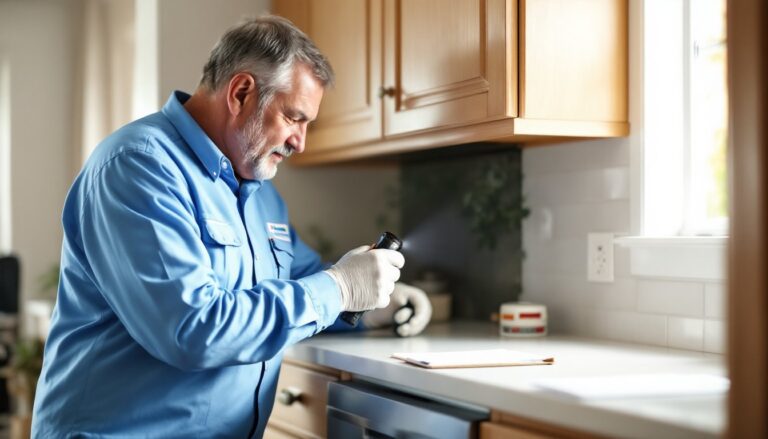
Sometimes DIY methods aren’t enough, and that’s when a professional pest control company earns its fee. The key is hiring a provider who understands pet safety and uses accordingly labeled, pet-safe treatments.
Look for pest control near me services that offer low-toxicity options, botanical-based sprays, or integrated pest management (IPM) approaches. These firms prioritize prevention and targeted treatment over blanket chemical coverage. Ask whether they use products certified as safe for pets, many modern treatments meet this standard while being highly effective.
Several professional approaches work safely around pets:
- Heat treatment for bed bugs: Professional heat trucks raise a room to 130°F, killing bed bugs and eggs without chemicals. Your pets must be removed for a few hours, but no residue remains.
- Boric acid dust in wall voids: Applied by pros inside wall cavities (not accessible to pets), this kills roaches and ants without exposing your animals.
- IGR sprays: Insect growth regulators disrupt pest development without harming mammals. They’re specifically designed to be safe around pets when applied by licensed technicians.
- Targeted rodent exclusion: Professionals seal entry points and remove rodents humanely, addressing the root cause rather than relying on repeat poison treatments.
When you call a pest control company, be upfront: tell them you have pets, their size and type, and any health sensitivities. Reputable services will adjust their approach accordingly. Ask about moving pets out during treatment and how long to keep them away from treated areas. A responsible company will provide clear instructions. Also explore effective pest treatment resources to understand what treatments are appropriate for your specific pest problem before consulting a professional.
General preparation before professional treatment includes removing pet food and water bowls, picking up toys, and ensuring your pets have a pet-safe space (or are temporarily relocated) during application. Most pet-safe treatments require only a few hours away: chemicals dry or settle quickly.
Conclusion
Protecting your home from pests doesn’t mean putting your pets at risk. Between natural repellents, food-grade diatomaceous earth, smart prevention, and pet-safe professional services, you have real options that work. Start with sealing entry points and removing pest attractants, that foundation stops most infestations before they start. Layer in targeted, non-toxic treatments as needed, and don’t hesitate to call a qualified pro if the problem escalates. Your home and your furry friends can coexist pest-free.