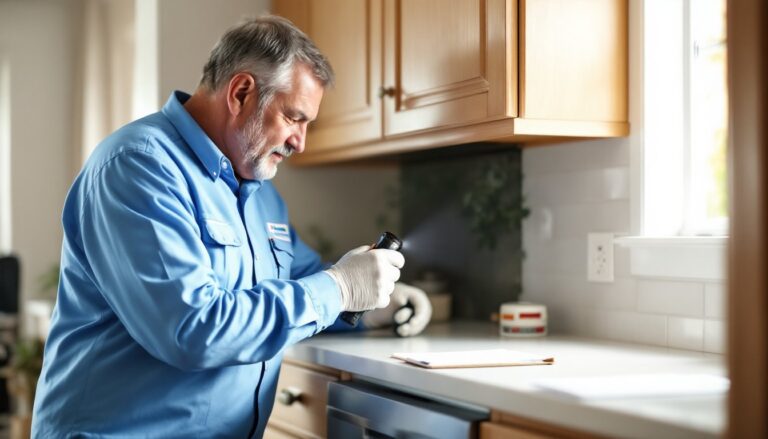
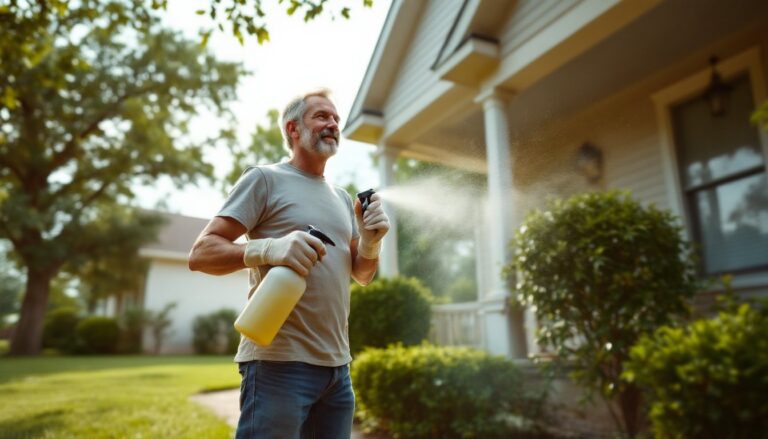
Pests don’t care whether you own a sprawling suburban home or a cozy apartment, they’ll show up anyway. The problem? Most homeowners default to heavy-duty chemical pesticides, which can harm kids, pets, and the environment. The good news: safe pest control doesn’t mean accepting an infestation. Modern non-toxic approaches combine smart prevention, household remedies, and targeted treatments that work just as well as the harsh stuff. This guide walks you through practical strategies to keep your home pest-free without poisoning the very people and animals you’re trying to protect. Whether you’re a DIY newcomer or a seasoned homeowner, you’ll find actionable methods to eliminate pests safely and sustainably.
Table of Contents
ToggleKey Takeaways
- Safe pest control uses prevention, physical removal, and low-toxicity treatments to eliminate pests without exposing your family and pets to harmful chemicals.
- Seal entry points, eliminate standing water, remove food sources, and control humidity to block the three conditions pests need to thrive and infest your home.
- Natural household solutions like food-grade diatomaceous earth, vinegar spray, boric acid baits, neem oil, and sticky traps provide effective pest elimination without toxic residue.
- Professional safe pest control services using integrated pest management (IPM) are recommended when DIY methods fail after 4–6 weeks or for structural pests like termites and carpenter ants.
- A long-term pest prevention strategy includes seasonal inspections, landscape maintenance, year-round trap monitoring, treatment documentation, and household education to keep your home pest-free sustainably.
What Makes Pest Control Safe for Your Family
Safe pest control prioritizes the health of everyone under your roof, humans and pets alike. Traditional chemical pesticides often contain synthetic pyrethroids, neonicotinoids, or organophosphates, compounds that can accumulate in your home and trigger respiratory issues, neurological effects, or allergic reactions, especially in children and vulnerable populations.
Non-toxic pest control shifts focus to three core principles: prevention, physical removal, and low-toxicity treatments. Prevention means sealing entry points, managing moisture, and removing food sources, pests can’t thrive without these. Physical removal includes traps, screens, and vacuuming. Low-toxicity treatments use natural ingredients like diatomaceous earth, neem oil, or essential oils that break down quickly and don’t linger in your living space.
The safety advantage isn’t just about chemicals, it’s about your peace of mind. You won’t worry about grandkids playing on treated floors or your dog chewing a contaminated corner. Pest Control At Home: covers in-depth strategies that families have trusted for years. When you eliminate pests without toxic residue, you’re creating a genuinely healthier home environment.
Natural and Non-Chemical Pest Prevention Methods
Prevention is your strongest weapon in safe pest control. Most infestations start because pests find a pathway, shelter, or food source. Blocking all three stops problems before they begin.
Seal entry points. Walk your home’s exterior with a caulk gun and silicone sealant. Look for gaps around pipes, utility lines, weatherstripping cracks, and foundation seams. Pests need only pencil-thin openings to slip inside. Door sweeps (a $5 fix) prevent gaps under exterior doors.
Eliminate standing water. Mosquitoes, cockroaches, and many insects need moisture to breed. Fix dripping faucets, ensure gutters drain away from the foundation, and keep bathroom exhaust fans running for 20 minutes after showers. Even a saucer under a potted plant becomes a breeding ground.
Remove food sources. Store pantry items in airtight containers, not cardboard boxes. Clean crumbs immediately, seal garbage in bins with tight lids, and don’t leave pet food out overnight. Effective Pest Treatment: Say Goodbye to Unwanted House Guests emphasizes that food denial alone drives pests elsewhere.
Control humidity. Most pests thrive in damp conditions above 50% relative humidity. A basic dehumidifier in basements and crawl spaces, combined with proper ventilation, makes your home inhospitable to silverfish, roaches, and mold-loving bugs.
Common Household Solutions That Work
You don’t need exotic products, your kitchen cabinet holds several proven pest deterrents.
Diatomaceous earth (DE). Food-grade DE is a powder made from fossilized algae. It’s non-toxic to mammals but fatally dehydrates insects on contact. Sprinkle it along baseboards, under sinks, and in corners where pests hide. Reapply after vacuuming or wet weather. Wear a dust mask when applying to avoid inhaling particles.
Vinegar and water spray. Mix equal parts white vinegar and water in a spray bottle. It deters ants, spider mites, and some flying insects. Spray entry points, windowsills, and infested areas weekly. It’s harmless to kids and pets but can damage some finishes, test on hidden spots first.
Baking soda and powdered sugar. Combine equal parts and place small mounds near ant trails or cockroach activity. The sugar attracts them: the baking soda disrupts their digestive system. It’s slow-acting but safe and inexpensive.
Essential oils. Peppermint, clove, and eucalyptus oils repel rodents, spiders, and some insects. Soak cotton balls and place them in problem areas, or diffuse them in central locations. Oils aren’t a silver bullet, they work best alongside mechanical prevention, but they add a pleasant scent while deterring pests.
Sticky traps. Simple, pesticide-free, and diagnostic. Place them along baseboards and under furniture to monitor pest activity and catch stragglers. They’re especially useful for cockroaches, silverfish, and rodents. Replace them weekly.
DIY Safe Pest Control Treatments You Can Apply
Once prevention is in place, targeted treatments handle existing infestations without harsh chemicals.
Neem oil for insects. Neem, derived from the neem tree, disrupts insect reproduction and feeding. Mix it with water (follow label ratios) and spray directly on affected plants or infested areas indoors. It breaks down within days and leaves no toxic residue. Wear gloves and avoid skin contact: some people are sensitive. Reapply every 7–10 days until the problem clears.
Boric acid roach baits. Boric acid works slower than synthetic pesticides but is far safer for families. Mix powdered boric acid with powdered sugar and flour, add a bit of water to form a paste, and place dime-sized portions in roach-prone corners, under sinks, and behind appliances. Keep these baits away from children and pets, though boric acid has low toxicity, ingestion isn’t safe. Wear gloves when handling and applying.
Insecticidal soap for soft-bodied pests. Soaps break down the waxy coating on insects like aphids, whiteflies, and spider mites. Buy a ready-to-spray product or mix 1 tablespoon of liquid castile soap per quart of water. Spray thoroughly, covering all affected surfaces. Reapply every 3–7 days. It’s non-toxic to mammals and biodegrades quickly.
Traps and exclusion for rodents. Snap traps, electric traps, or live traps are far safer than poison for homes with children or pets. Poison creates a risk of secondary exposure, a pet might eat a poisoned rodent and ingest toxins. Place traps along walls where mice travel, bait with peanut butter, and check daily. Dispose of deceased rodents in a sealed bag and wash your hands thoroughly.
When to Call Professional Safe Pest Control Services
Some infestations exceed DIY capability. If you’ve tried prevention and treatments for 4–6 weeks without improvement, or if you’re dealing with structural pests like termites or carpenter ants, call a licensed professional.
Home Pest Response: Your recommends vetting pest control companies on their methods. Ask whether they use integrated pest management (IPM), a science-backed approach combining prevention, monitoring, and targeted treatments before resorting to broad-spectrum chemicals. On platforms like Angi, you can read reviews and compare local providers’ safety practices and pricing.
Professionals have access to safer botanical insecticides, specialized equipment (like thermal imaging for bed bugs), and the expertise to address root causes, like moisture problems or structural gaps, that enable infestations. They’re also licensed and insured, protecting you legally if something goes wrong.
Creating a Long-Term Pest Prevention Strategy
Safe pest control isn’t a one-time fix, it’s an ongoing strategy. Build a routine that keeps pests out without constant chemical applications.
Inspect seasonally. Spring and fall are ideal times to walk your home’s perimeter, checking for new cracks, gaps, or water damage. These seasonal audits catch vulnerabilities before pests exploit them. Document findings with photos so you can prioritize repairs.
Maintain your landscape. Overgrown shrubs, wood piles, and mulch against the foundation create pest highways into your home. Trim branches 6–8 feet from the roof, store firewood 20 feet away, and keep mulch 12 inches from the foundation. This simple separation cuts pest entry dramatically.
Monitor with traps year-round. Sticky traps and basic snap traps cost pennies and act as early warning systems. Check them monthly and replace as needed. Early detection means you’ll catch infestations when populations are small and easier to manage.
Document treatments. Keep a log of when you applied treatments, which areas you treated, and results. This helps identify patterns (like seasonal rodent activity in fall) and shows whether a strategy is working. It’s also handy if you hire professionals later, they can build on your notes.
Educate your household. Kids should understand not leaving food out, sealing containers, and reporting pest sightings immediately. Roommates or family members who don’t know about prevention can accidentally undo your efforts. A quick conversation prevents most frustrations.
Consider hiring a professional for an annual inspection, even if you don’t see pests. Hawks Pest Control: Effective Solutions for Your Pest Problems and similar services often offer affordable yearly check-ups that catch issues you might miss. On HomeAdvisor, you’ll find cost estimates for annual pest inspections in your region, which helps budget planning.
Conclusion
Safe pest control is achievable, practical, and increasingly effective as more research validates non-toxic methods. Start with prevention, seal gaps, eliminate moisture and food sources, and maintain your property. Layer in household solutions and targeted treatments as needed. And don’t hesitate to call professionals when infestations outpace your efforts. By combining these approaches, you’ll keep your home genuinely pest-free without compromising your family’s health or safety.