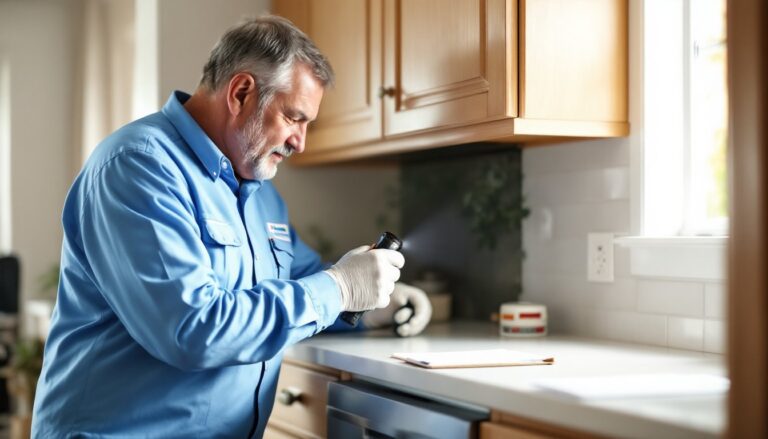
Dealing with bugs in your home doesn’t always mean calling a professional exterminator. At-home pest control spray is a practical, cost-effective alternative that lets you take control of the problem on your schedule. Whether you’re battling ants in the kitchen, spiders in the basement, or roaches creeping through corners, the right spray and application technique can solve the issue without expensive service calls. This guide walks you through choosing the right product, applying it safely, and avoiding common pitfalls so you can reclaim your space from unwanted pests.
Table of Contents
ToggleKey Takeaways
- At-home pest control spray offers a cost-effective solution costing $10–$25 per can compared to professional services at $300–$500+ per visit.
- Chemical-based sprays provide broad-spectrum insect control with 2–4 weeks of residual protection, while natural and organic alternatives work better for light infestations and prevention.
- Always identify your specific pest, read the product label thoroughly, and prepare the area by removing food and clutter before applying any pest control spray.
- Light, even applications with proper ventilation and protective gear (gloves, goggles, mask) are more effective and safer than heavy overapplication.
- Follow-up treatments spaced 7–14 days apart are essential, and combining sprays with prevention measures like sealing cracks and eliminating food sources prevents reinfestation.
- For severe infestations like bed bugs, termites, or cockroaches, professional pest control services are more effective and safer than DIY approaches.
Why Choose At-Home Pest Control Spray Over Professional Services
Professional pest control services run $300 to $500+ per visit, with quarterly or monthly contracts piling up fast. At-home pest control spray costs a fraction of that, typically $10 to $25 per can, and you apply it when you spot the problem. You’re not waiting for an appointment or working around someone else’s schedule.
DIY sprays also give you immediate action. Notice a few ants by the coffee maker on a Sunday afternoon? Spray them. See spiders webbing up a corner? Handle it tonight. This responsiveness matters, especially in the early stages of an infestation before populations balloon.
That said, be realistic about limits. If you have a severe cockroach or bed bug infestation, or structural pest issues (termites, carpenter ants), professional treatment with follow-up inspections is smarter and safer long-term. Most DIYers succeed with minor infestations, prevention, and seasonal pest control. Products like those reviewed by experts in effective pest treatment can handle routine indoor and outdoor pest pressure.
Types of At-Home Pest Control Sprays and Which One to Use
Chemical-Based Sprays for Heavy Infestations
Conventional insecticide sprays contain synthetic active ingredients, pyrethroids, neonicotinoids, or organophosphates, that kill insects on contact and leave residual protection. Raid, Ortho, and store-brand equivalents are reliable workhorses. They work fast and cost under $10 per can.
These sprays target broad pest ranges: ants, roaches, spiders, wasps, and flies. Read the label carefully: some products are indoor-only, while others are rated for garden and outdoor use. Spray directly on pests or along baseboards, cracks, and entry points. One application typically provides 2 to 4 weeks of residual kill, depending on the product and surface.
Downside: chemical sprays have health and environmental trade-offs. Prolonged exposure, especially in poorly ventilated spaces, can irritate lungs and skin. Store safely away from kids and pets. Always wear nitrile gloves, safety goggles, and work with windows open or a fan running.
Natural and Organic Spray Alternatives
If you prefer to avoid synthetic chemicals, plant-based sprays using essential oils (peppermint, eucalyptus) or neem oil kill on contact without harsh residues. Brands like EcoSmart, Safer Brand, and Zevo are certified organic and pet-safe when used as directed. Costs range from $12 to $20 per bottle, slightly higher than conventional sprays.
Natural sprays work well for light infestations and prevention. They’re excellent for kitchens, pet areas, and homes with young children. But, they typically don’t provide lasting residual protection, you’ll spray more often than with chemical products. Always check that the product targets your specific pest: not all natural sprays kill all insects equally.
For guidance on specific pest types and cost considerations, explore resources on how much is pest control for roaches and specialty solutions like pest control for wasps to understand your options.
Step-by-Step Guide to Applying Pest Control Spray Safely and Effectively
Before you spray:
-
Identify the pest and the product. Confirm the spray targets your specific insect. Ant sprays differ from wasp sprays: using the wrong one wastes product and leaves pests unaffected.
-
Read the entire label. Check application rates, re-entry times (how long before people can safely use the space), indoor vs. outdoor rating, and any restrictions on children or pets.
-
Prepare the area. Remove toys, pet food bowls, and open food. Close windows if using indoors, but open at least one for ventilation.
-
Wear protective gear. Always use nitrile gloves, safety glasses, and a dust mask when spraying indoors. Ear protection isn’t needed, but long sleeves and pants reduce skin contact.
Applying the spray:
-
Shake the can thoroughly. Most formulations require 10 to 15 seconds of vigorous shaking to mix the active ingredient and propellant.
-
Spray target areas lightly, not to saturation. A light, even coat is more effective than soaking surfaces. Heavy overapplication wastes product, leaves sticky residue, and increases off-gassing.
-
Focus on entry points and hiding spots. Spray along baseboards, under sinks, around door frames, window sills, and cracks in cabinets. These are pest highways and hideouts.
-
Allow adequate drying and ventilation. Most indoor sprays need 2 to 4 hours to dry before people re-enter. Keep pets out until the smell clears (usually 4 to 8 hours for chemical sprays, 1 to 2 hours for natural products).
-
Don’t spray directly on food, dishes, or cooking surfaces. If you must treat a kitchen area, remove all food items first, spray, then wipe down food-contact surfaces with a damp cloth before reuse.
For comprehensive guidance on home pest response and safety protocols, consult detailed application guides on reputable home care sites. Most DIYers find success with consistent, methodical application rather than haphazard spraying.
Common Mistakes to Avoid When Using Home Pest Control Sprays
Mistake 1: Spraying before identifying the pest. Using a general-purpose spray on a targeted problem often fails. Flea sprays won’t kill bed bugs: ant spray won’t touch spider mites. Confirm the pest first, check the insect’s size, color, and behavior, then match it to the product label.
Mistake 2: Skipping surface prep. Dust, dirt, and clutter harbor pests and block spray contact. Vacuum, sweep, and declutter before spraying. Remove pet bedding and wash it separately. This “prep work” is half the battle: many DIY failures stem from skipping it.
Mistake 3: One-off spraying without follow-up. A single spray application rarely ends an infestation. Most products recommend re-treatment every 7 to 14 days if pests persist. Plan for at least two or three applications spaced a week apart.
Mistake 4: Using expired or improperly stored products. Check the manufacture date on the can. Old spray loses potency. Store cans in a cool, dry place, not a hot garage or damp basement, to preserve effectiveness.
Mistake 5: Ignoring safety instructions. Wearing gloves, ensuring ventilation, and respecting re-entry times aren’t optional. Children and pets can suffer respiratory irritation or poisoning if exposed to wet spray or fumes. When in doubt, err on the side of caution and leave the space until it’s completely dry and aired out.
Mistake 6: Spraying without finding the root cause. If ants are marching from a tiny crack in the wall, spray alone won’t stop them. Seal cracks with caulk or weatherstripping. Fix moisture issues that attract roaches. Address pet food left outside. Pest sprays are a symptom fix: prevention is the cure.
Explore additional strategies on pest control at home and other trusted homeowner resources to develop a complete pest management plan. Today’s homeowners often benefit from combining sprays with monitoring to catch re-infestation early.
Conclusion
At-home pest control spray is an effective, affordable way to handle routine insect problems. Success hinges on choosing the right product, following label instructions carefully, and pairing sprays with prevention, sealing entry points, eliminating food sources, and reducing clutter. For minor infestations and seasonal pest pressure, DIY sprays deliver results. For severe infestations or structural pests, don’t hesitate to call a professional. The goal is a pest-free home, and sometimes that’s worth the investment.