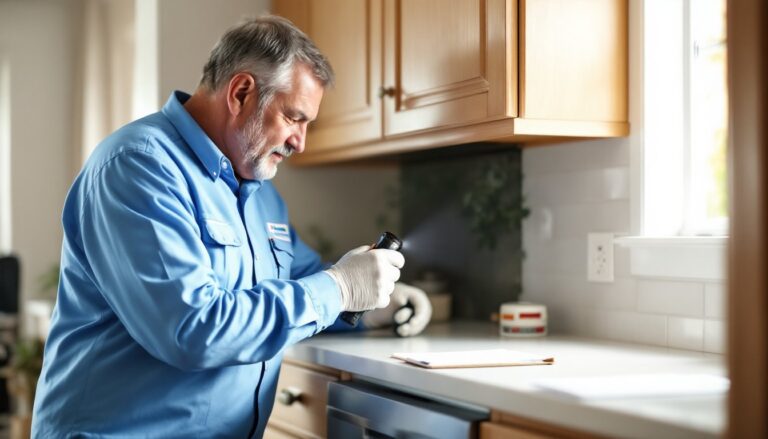
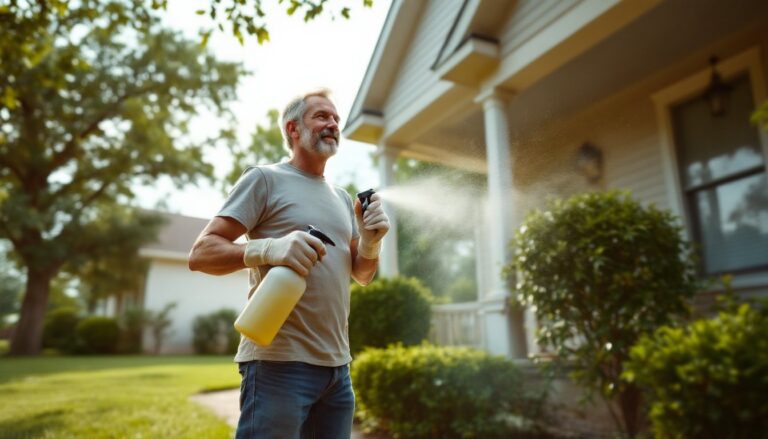
Nobody wants to share their home with unwanted pests. Whether it’s a cockroach scuttling across the kitchen counter or mice settling into the walls, pests don’t just create discomfort, they pose real health and safety risks. The good news? Home guard pest control doesn’t always require expensive professional treatments. With the right prevention strategies, natural solutions, and knowing when to call in the experts, homeowners can take meaningful control of their living spaces. This guide walks you through practical, actionable steps to protect your home from common household pests in 2026, from understanding what you’re dealing with to knowing exactly when professional help makes sense.
Table of Contents
ToggleKey Takeaways
- Home guard pest control begins with prevention: seal entry points, eliminate food and water sources, and reduce clutter to stop infestations before they start.
- DIY prevention strategies cost nearly nothing compared to professional pest control ($300–$500+ per visit) while giving you control over what chemicals enter your home.
- Common household pests like cockroaches, rodents, ants, and termites need food, water, and shelter—removing these conditions makes your home an unwelcoming environment.
- Natural, non-toxic solutions such as food-grade diatomaceous earth, essential oils, and sticky traps effectively handle minor infestations without harsh chemicals.
- Call a professional pest control service if you find termite mud tubes, see rodent droppings in multiple rooms, notice daytime cockroach activity, or problems persist after 2–3 weeks of DIY efforts.
- Most homeowners succeed by combining DIY prevention and natural treatments, reserving professional help only when infestations escalate beyond manageable levels.
Understanding Common Household Pests and Why DIY Prevention Matters
The first step in any home guard pest control strategy is knowing your enemy. Cockroaches, rodents, ants, and termites rank among the most common household invaders. Cockroaches thrive in warm, damp environments and can survive on minimal food scraps: they reproduce quickly and carry bacteria that contaminate surfaces. Rodents (mice and rats) squeeze through openings as small as a dime or nickel, leaving droppings and gnaw marks on wiring and insulation. Termites silently consume wood, potentially compromising structural integrity. Ants form colonies that can number in the thousands, and while most species are harmless, carpenter ants can damage wood.
Why tackle prevention yourself first? Professional pest control services run $300–$500+ per visit, and recurring monthly treatments add up fast. More importantly, prevention stops problems before they start. A sealed entry point, a crack in the foundation, a gap around a pipe, or damaged weatherstripping, costs almost nothing to fix but saves thousands in damage and treatment later. DIY prevention also means you control what chemicals, if any, enter your home, especially important if you have kids or pets. Understanding what pests need to survive, food, water, and shelter, gives you the power to make your home an unwelcoming environment.
Essential Home Guard Strategies for Every Room
Kitchen and Pantry Protection
The kitchen is ground zero for pest invasions. Food sources, moisture, and warm appliances make it irresistible. Start with airtight storage containers for dry goods, cereal, flour, sugar, and pet food belong in sealed plastic or glass containers, not open boxes. Pests can chew through cardboard in hours. Wipe down counters and stovetops every night: don’t leave crumbs or grease residue. Sweep under the refrigerator and stove monthly, these areas collect food debris and warmth that attract pests.
Check under the sink for standing water or drips. Insects need moisture to survive, so fix leaks immediately. The drain is a major entry point and breeding ground for fruit flies, drain flies, and roaches. Pour boiling water down drains twice weekly, or use a drain brush to remove buildup. Secure trash in sealed bins and take garbage out regularly, especially food waste. Keep pet food bowls clean and don’t leave food out overnight.
Bathroom and Moisture-Prone Areas
Bathrooms create the damp conditions pests love. Run your exhaust fan during and for 20 minutes after showers to reduce humidity. Fix any dripping faucets or leaking pipes under sinks, water pooling under cabinets invites insects and mold. Caulk around tub and shower edges with waterproof silicone caulk to eliminate gaps where moisture hides and pests shelter.
Store toothbrushes and toiletries in closed cabinets, not on open shelves where roaches hide. Don’t leave damp towels crumpled in corners: hang them to dry. Basements and crawlspaces are moisture traps: ensure gutters and downspouts direct water away from the foundation, and install a dehumidifier if moisture lingers. Look for soft spots in wood framing, early signs of termite or carpenter ant damage, and address them before they spread. Effective pest control relies on removing conditions that invite pests, not just killing individuals.
Natural and Non-Toxic Pest Control Solutions for Homeowners
Once you’ve sealed entry points and removed food and water sources, natural solutions handle stragglers without harsh chemicals. Diatomaceous earth (food-grade) is a powder made from fossilized algae that’s safe for humans but deadly to insects with exoskeletons. Sprinkle it in cabinets, under sinks, and along baseboards where roaches and ants travel. Reapply after vacuuming or sweeping, and after moisture exposure.
Cinnamon, cloves, and peppermint essential oils repel insects naturally. Mix a few drops into water and spray around entry points, windowsills, and corners. Boric acid is effective but toxic if ingested, only use it in areas where children and pets can’t access it, mixing it into baits or paste. Sticky traps placed along walls where roaches travel capture them without poison, letting you monitor activity levels. These work best as a diagnostic tool: if you’re catching dozens nightly, a larger infestation likely exists.
For rodents, snap traps remain the most reliable option when placed perpendicular to walls where mice run. Bait them with peanut butter or nesting material (small pieces of cotton). Check traps daily and dispose of dead rodents using gloves and a sealed bag. Poison baits are tempting but risky, a rodent can die inside walls, creating odor and attracting maggots. Electronic traps kill instantly and contain the mess, though they cost more upfront. Seal the exterior of your home systematically: caulk cracks in foundation, install steel mesh over vents and under siding, and trim vegetation away from the house so pests can’t use it as a bridge. This foundational work prevents 90% of infestations better than any spray.
When to Call a Professional: Signs You Need Expert Help
Some infestations exceed DIY scope. Call a professional if you find termite mud tubes on foundation walls, these indicate an active colony that requires specialized treatment like liquid barriers or bait stations installed by a licensed technician. Carpenter ants attacking structural wood, visible rodent droppings in multiple rooms, or active cockroach sightings during daytime (they’re nocturnal, so day activity suggests heavy populations) all warrant professional assessment.
If you’ve implemented prevention strategies, sealed entry points, removed food and water sources, deployed traps and natural solutions, and the problem persists after 2–3 weeks, professionals have tools and expertise you don’t. They can identify species correctly, assess extent of damage, and apply targeted treatments. Services like those found on homeowner cost guides help you understand typical pricing and compare local options. Your local health department can also recommend licensed pest control operators. Professional treatments often come with guarantees: if pests return within 30–60 days, the company retreats at no cost. When structural damage or health risks are involved, that guarantee and expertise justify the cost, typically $300–$600 for initial inspection and treatment, with follow-ups running $150–$300 each.
Conclusion
Home guard pest control starts with prevention: seal entry points, eliminate food and water sources, and reduce clutter. Natural solutions like diatomaceous earth, essential oils, and traps handle minor populations without toxic chemicals. Know when your efforts plateau and professional help becomes the smarter investment. Most homeowners find success combining DIY prevention with targeted natural treatments, calling professionals only when infestations escalate. The goal isn’t perfection, it’s reclaiming your home as a clean, safe, pest-free space where your family and you can relax without unwanted company.