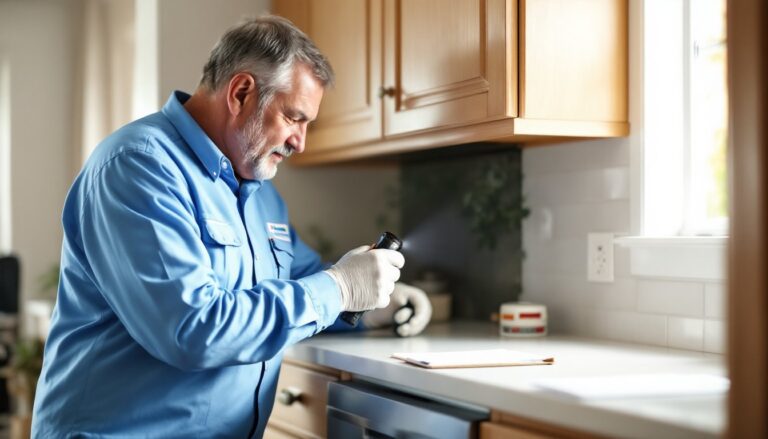
Pest control is one of those home expenses that sneaks up on you. One day you spot a roach, and suddenly you’re wondering: Do I call a pro or handle it myself? What’s this actually going to cost? If you’re a homeowner trying to budget for pest management, pricing can feel murky, pest control costs vary wildly depending on what you’re dealing with, where you live, and how you choose to tackle the problem. This guide breaks down what you’ll actually pay for professional pest control in 2026, what factors drive those costs, and whether DIY alternatives make sense for your situation.
Table of Contents
ToggleKey Takeaways
- Professional pest control costs range from $100 to $300 for one-time treatments and $800 to $2,200 annually for quarterly maintenance plans, with specialized treatments like termites or bed bugs reaching $500 to $2,500+.
- Home size, infestation severity, pest type, and geographic location are the primary factors that influence pest control pricing, with rural areas costing less than major cities.
- Quarterly or monthly pest control contracts offer better long-term value than one-time treatments when considering repeat emergency visits and the cost of DIY supplies.
- How much pest control you’ll spend depends on whether you choose ongoing maintenance for prevention or reactive one-time treatment after spotting pests.
- DIY alternatives like store-bought sprays and traps cost only $10 to $50 but work only for minor infestations, while severe problems require professional intervention to avoid expensive structural damage.
- Request free inspections from local pest control providers to accurately assess your infestation severity and determine whether professional service or DIY solutions are most cost-effective for your situation.
Average Pest Control Costs by Service Type
Professional pest control pricing falls into a few broad categories, and costs depend heavily on which one you choose.
Initial treatment or one-time service typically runs between $100 and $300 for an interior inspection and treatment. This covers a pest control professional coming out, identifying the problem, and applying treatments to common problem areas. Many companies offer a guarantee period, usually 30 days, meaning they’ll retreat at no charge if pests return within that window.
Quarterly or regular maintenance plans cost roughly $200 to $550 per quarter (or $800 to $2,200 annually). These are contracts where a technician visits your home every three months to prevent infestations before they happen. This is the route most homeowners go if they’ve had a past infestation or live in a region with aggressive pest seasons. You get predictability and prevention, which beats dealing with a full-blown infestation later.
Emergency or same-day treatments carry a premium: expect to pay $300 to $500 if you need service urgently. The convenience costs more, and companies often charge a trip fee on top of treatment costs.
Specialized treatments, termites, bed bugs, or large-scale infestations, can run $500 to $2,500+ depending on the scope. Termite inspections and treatments are particularly pricey because they require specialized equipment and sometimes structural access. Bed bug heat treatments can exceed $1,500 because the entire home needs to reach lethal temperatures.
Factors That Influence Pest Control Pricing
Not all pest problems are priced the same. Several variables determine what your bill looks like.
Home Size and Severity of Infestation
Square footage matters. A 1,500 sq. ft. home costs less to treat than a 4,000 sq. ft. estate, simply because there’s more ground to cover. Most companies quote based on how much territory needs inspection and treatment.
Severity is just as important. A light infestation, a few roaches spotted over two weeks, is cheaper to treat than a severe one where pests are everywhere. Severe infestations may require multiple treatments, stronger chemical applications, or follow-up visits, all of which increase costs.
Pest type affects pricing too. Ants and general insects run on the lower end. Termites, bed bugs, and rodents are specialty work that costs more because they demand expertise and sometimes structural assessment.
Geographic location plays a massive role. Pest control in rural areas is cheaper than in major cities, where demand is higher and overhead costs are steeper. Regional pest pressures matter as well, states with year-round warm weather (Florida, Texas, California) see more aggressive pest seasons, so baseline treatment costs are higher.
Frequency of service influences annual cost. If you sign a yearly contract, many companies offer a discount compared to paying per visit. A one-time treatment costs more per service than quarterly maintenance, but you only pay once.
Monthly vs. One-Time Treatment Costs
Here’s the real question: Should you commit to ongoing service or call only when you see pests?
One-time treatments make sense if you’ve had a single, isolated incident, you see a few roaches, call someone, get treated, and the problem’s solved. You’ll spend $100 to $300, and that’s it. No monthly commitment. But, one-time treatments leave you vulnerable. Without regular monitoring, pests can return, and you’re back to square one.
Monthly or quarterly contracts cost more upfront but offer protection. You’re paying $50 to $150 per month (or about $200 to $550 per quarter) to prevent infestations before they start. For homeowners in areas with high pest pressure or those who’ve dealt with past problems, this monthly peace of mind often justifies the cost. Professional treatment also includes exterior perimeter spraying and monitoring, which DIY approaches miss.
Take this example: One treatment costs $250. Add a second emergency treatment six months later, plus some over-the-counter supplies you buy yourself, you’re already at $400 to $500. A quarterly maintenance plan ($800 to $900 annually) starts looking reasonable, especially if you factor in the time and frustration of dealing with recurring problems.
To understand local pricing better, homeowners often use estimators like HomeAdvisor to compare quotes from multiple contractors. Many companies also offer pest control near me searches that help you find local providers and review their rates.
Budget-Friendly DIY Alternatives
Professional pest control is effective, but if your budget is tight or you’re dealing with a very minor problem, DIY has merit, with caveats.
Store-bought treatments (sprays, baits, traps, diatomaceous earth) cost $10 to $50 total and work for light infestations. A container of boric acid powder or gel baits can wipe out a small roach problem if you’re disciplined about placement and reapplication. The catch? You need to know where to place them, how often to reapply, and when to admit defeat.
Sealed traps and monitors (sticky traps, smart traps that notify your phone) are budget-friendly for identifying pest activity without killing. They run $5 to $40 and give you data before you decide on a bigger intervention.
Preventative measures cost almost nothing and should happen regardless of whether you hire pros. Seal cracks and gaps with caulk or weatherstripping ($5 to $20). Remove food sources (clean up crumbs, don’t leave pet food out). Fix water leaks, pests are attracted to moisture. Store food in airtight containers. These steps alone prevent 50% of common pest problems.
The honest truth: DIY works for very early-stage or minor infestations. Once pests establish a foothold, professional treatment saves money and headaches long-term. A severe infestation you mishandle can grow into a $2,000+ problem that requires fumigation or structural treatment. Effective pest treatment often requires professional assessment to avoid this trap.
If you’re uncertain about the severity, many pest control companies offer free inspections. They’ll tell you whether DIY makes sense or if professional help is warranted. For detailed guidance on tackling problems yourself first, resources like pest control at home offer strategic starting points that balance DIY and professional intervention.
Conclusion
Pest control costs range from under $100 for a single treatment to $2,500+ for specialized jobs, with most homeowners spending $200 to $550 quarterly for ongoing protection. The right choice depends on your situation: Are you dealing with an isolated incident or a recurring problem? Do you live in a high-pest-pressure area? Can you commit to preventative maintenance, or do you need to respond reactively? Start with a free inspection from a local provider, compare quotes, and weigh one-time costs against the peace of mind that monthly service offers. Most importantly, don’t ignore early signs, early intervention beats expensive repairs later.